
Holding the line for Tanzania's wild places.
Conservation happens through daily anti-poaching patrols, research, and constant presence across one of Tanzania's most remote ecosystems.
A vast & vulnerable ecosystem.
Adam Clements Wildlife Conservation operates across roughly 10,000 square kilometers in Tanzania's Moyowosi Game Reserve, Zanzibar and Lake Natron North — a remote floodplain of rivers, swamps, and woodland. It is one of the last intact wetland ecosystems in East Africa. Elephant, hippo, sitatunga, and large predators still exist here — but only under constant pressure.
When protection increases, wildlife returns.
Without protection, it disappears.
- Livestock is pushed into the reserve for grazing
- Illegal fishing spreads across the river
- Timber is cut
- Snares are set
How we protect it.
- 365 days a year of anti-poaching patrols
- Boat patrols across river systems
- Vehicle and foot patrols
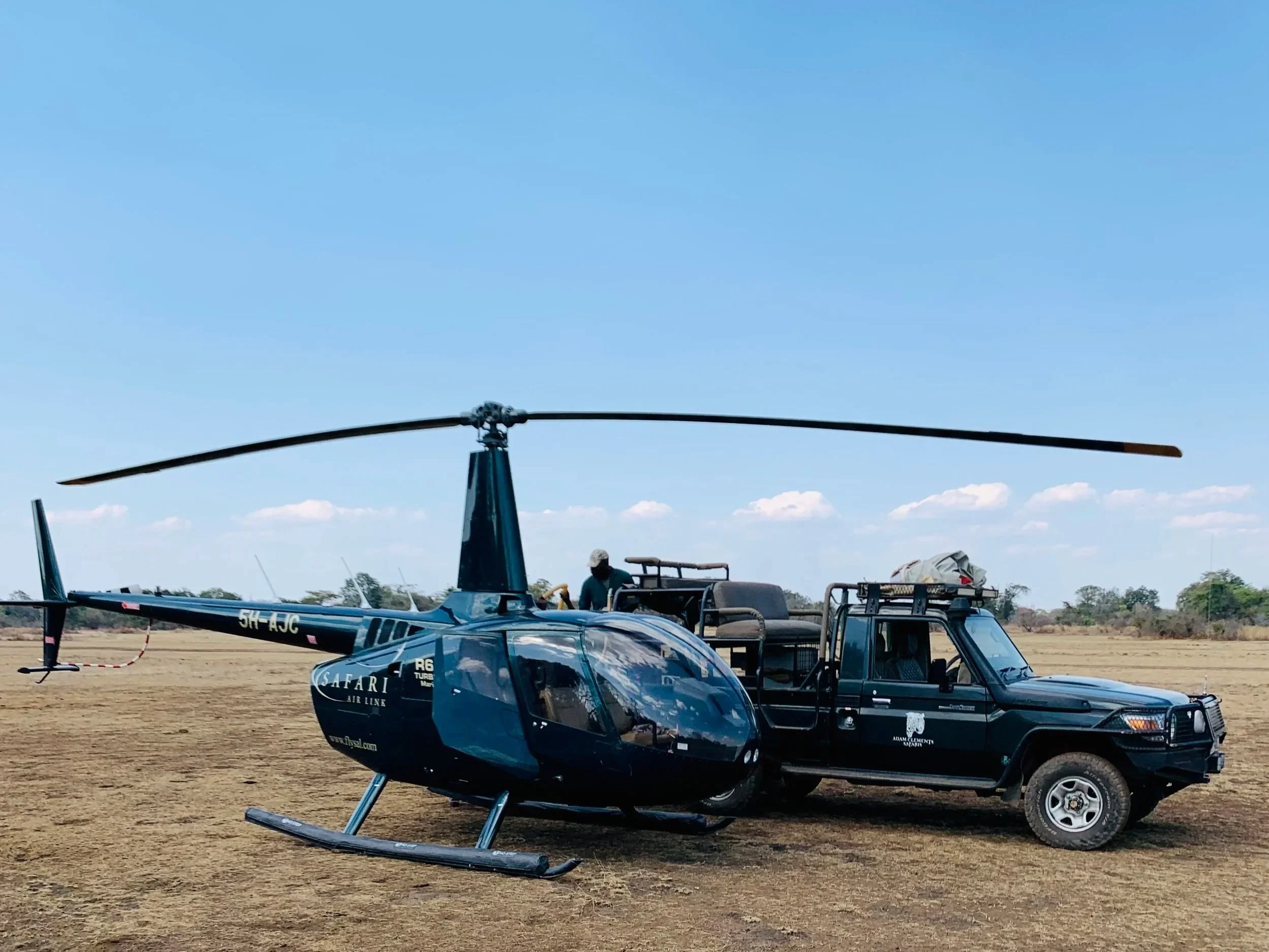
- Helicopter support
- Road building
What this work looks like on the ground.
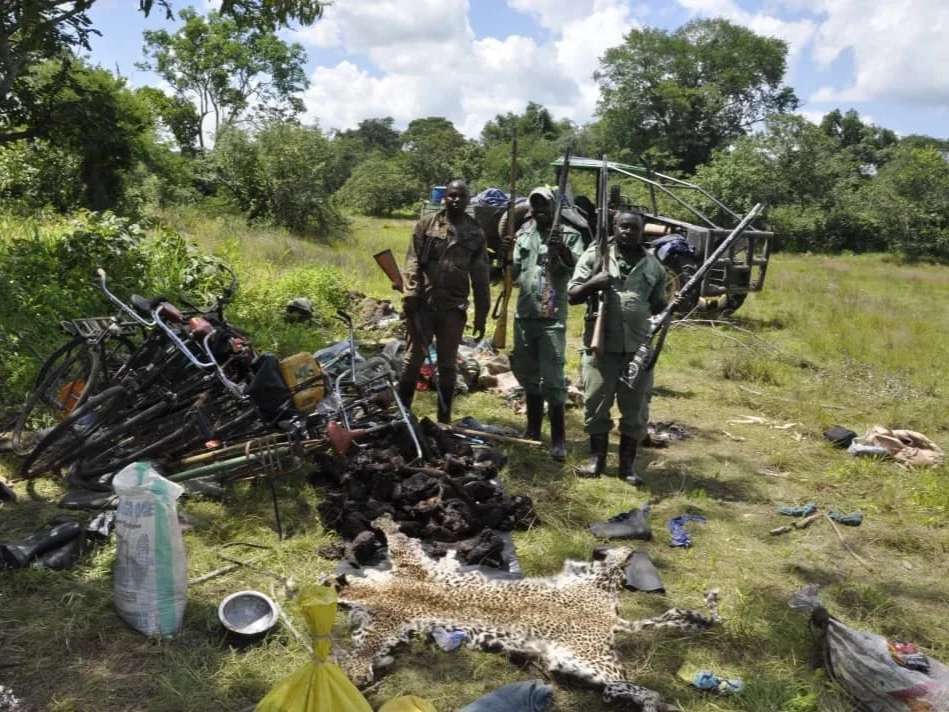
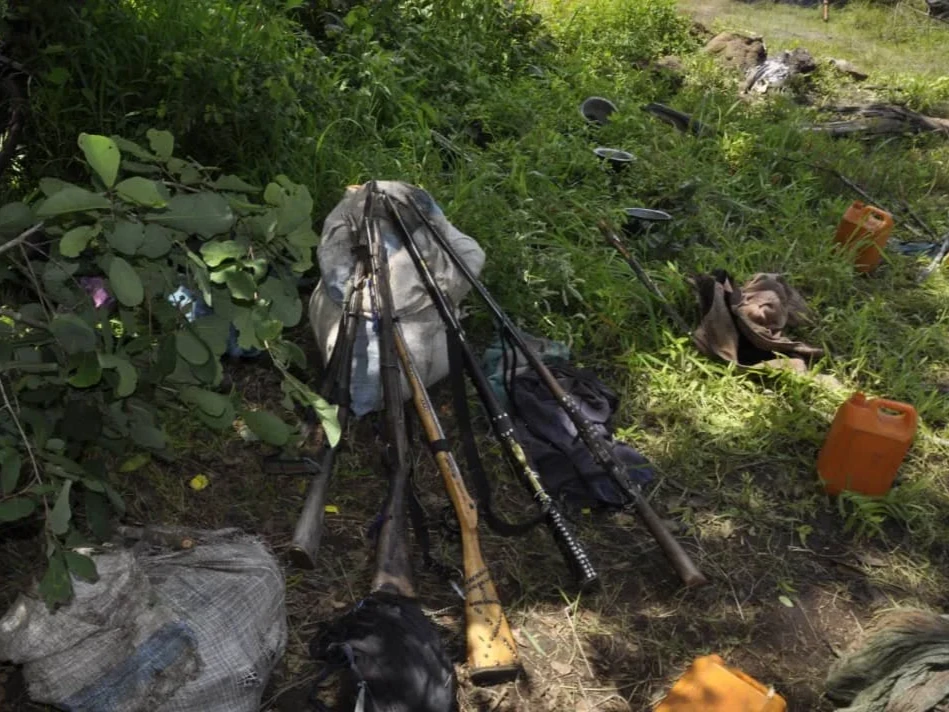
This is daily work across a remote, difficult landscape. Patrol teams operating on foot, by boat, and by air. Illegal activity removed. Access opened. Presence maintained.
Additional Conservation Work.
Protection here goes beyond patrols. Long-term success depends on reducing pressure on land, supporting communities, and restoring key species.
Boreholes, local employment, and infrastructure projects support surrounding communities and reduce reliance on protected land.
Anti-poaching operations and a growing breeding program focused on restoring native species like the Aders' duiker.